Curiosity as a Competitive Skill
Curiosity is portrayed as a practical, compounding advantage that fuels growth long after skills and tools become outdated. The essay reveals how curiosity deepens craft, expands perspective, and drives innovation by turning learning into an intentional, lifelong discipline.
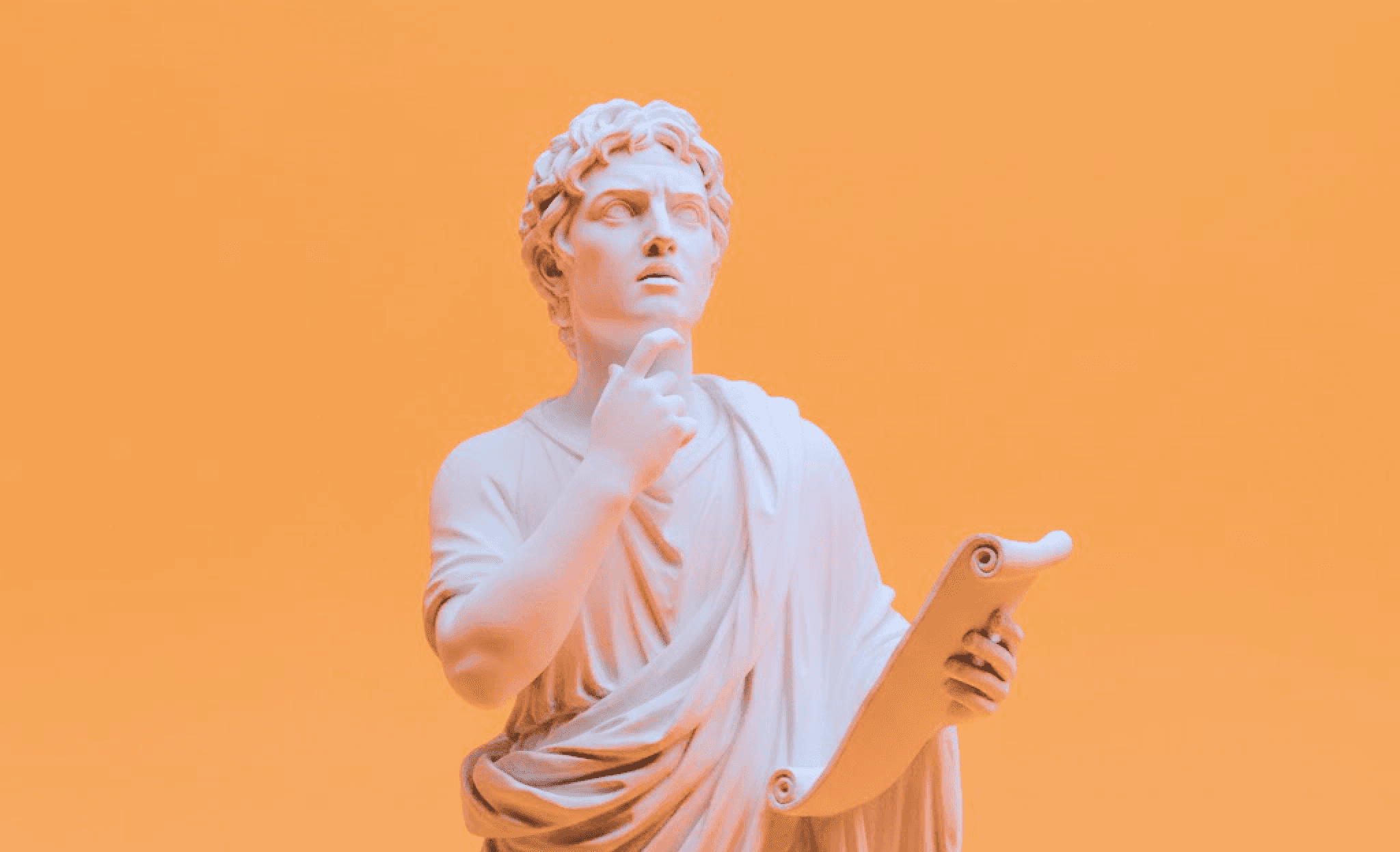
Curiosity is often treated like a hobby for people with “extra time.” In reality, it is one of the most practical advantages anyone can build. Skills can be taught, tools can be copied, and knowledge can be downloaded. Curiosity, however, is a mindset — and it decides who keeps growing long after the classes end and job titles freeze into routine.
Today’s world rewards the curious not because they know more, but because they refuse to stop learning. Curiosity is the only engine that never goes out of style.
Curiosity Is Not Talent
People assume skilled individuals are born gifted. It’s a comfortable myth that excuses everyone from trying harder. In truth, most “talented” people are simply obsessed. They ask one more question, spend one more hour exploring, and follow one more unexpected thread.
Curiosity acts like gravity — the more you feed it, the more it pulls you deeper. Designers who keep tugging at the smallest detail end up discovering what others overlook: cultural contexts, usability nuances, and emotional gaps hiding beneath data. The curious do not settle for surface-level work, which is why their output feels richer, even when they use the same tools as everyone else.
Curiosity is not a spark. It’s a discipline.
Curiosity Builds Skills Faster
In competitive environments, speed matters as much as accuracy. Curiosity speeds up learning because it reduces resistance. A curious person does not learn to meet expectations. They learn to explore, understand, and connect ideas. This shift makes learning less exhausting and more intentional.
The reason some people grow quickly is not that they are smarter. They simply learn willingly. They don’t memorize to survive; they investigate to create. Curiosity turns effort into investment, not obligation.
Curiosity Expands Perspective
A curious designer studies more than screens and patterns. They dive into culture, psychology, history, philosophy, anthropology — anything that helps them understand why people behave the way they do. Creativity is not a spark of originality. It is the synthesis of everything we have observed, questioned, and absorbed.
Cultures we inherit, myths we hear, even biases we encounter shape how people perceive products. Understanding these layers leads to design that respects identity instead of flattening it. Curiosity builds empathy. It sharpens awareness. It turns design from decoration into responsibility.
Curiosity Is a Compass for Innovation
Innovation is less about invention and more about noticing. When we question how things are done, we uncover how they could be done better. Every meaningful product exists because someone refused to accept the default. Curiosity challenges norms, exposes inefficiencies, and invites new approaches.
Curious thinkers are not satisfied with answers that “work.” They search for answers that matter. They build solutions that reflect how humans think, feel, and change. This ability to reinterpret reality is what drives innovation forward.
Curiosity Creates Career Durability
Tools evolve. Trends fade. Industries transform. A designer cannot depend on a single skill and expect a stable career. Knowledge has a short shelf life. The only stable strategy is to keep learning, not out of fear, but out of ambition.
Curiosity makes careers future-proof. When tools change, the curious adapt. When challenges grow, the curious grow faster. Curiosity does not protect us from difficulty, but it prepares us to move through it with confidence. The curious are never stuck — they simply search for the next path.
Cultivating Curiosity
Curiosity grows through intention, not accident. A few practices make it stronger:
Question assumptions instead of accepting them.
Follow frustration; every annoyance hides an opportunity.
Experiment often, even when no one asks you to.
Seek knowledge outside your domain. Other fields carry better metaphors.
Reflect on what you observe. Curiosity without meaning becomes noise.
The goal is not to know everything. It is to care enough to understand more than before.
Curiosity as a Creative Responsibility
Curiosity is not merely a competitive edge. It is a form of respect. To design for others without understanding them is careless. To build for society without exploring culture is shallow. To create without questioning consequences is irresponsible.
Curiosity demands that we think deeply before we shape what people use, read, or trust. It turns creation into impact. It transforms work into contribution.
Being curious is not about chasing knowledge. It is about pursuing clarity, awareness, and meaning. The more we understand, the more we can give through what we design.
Curiosity creates better designers, but more importantly, it creates better builders of the world.

