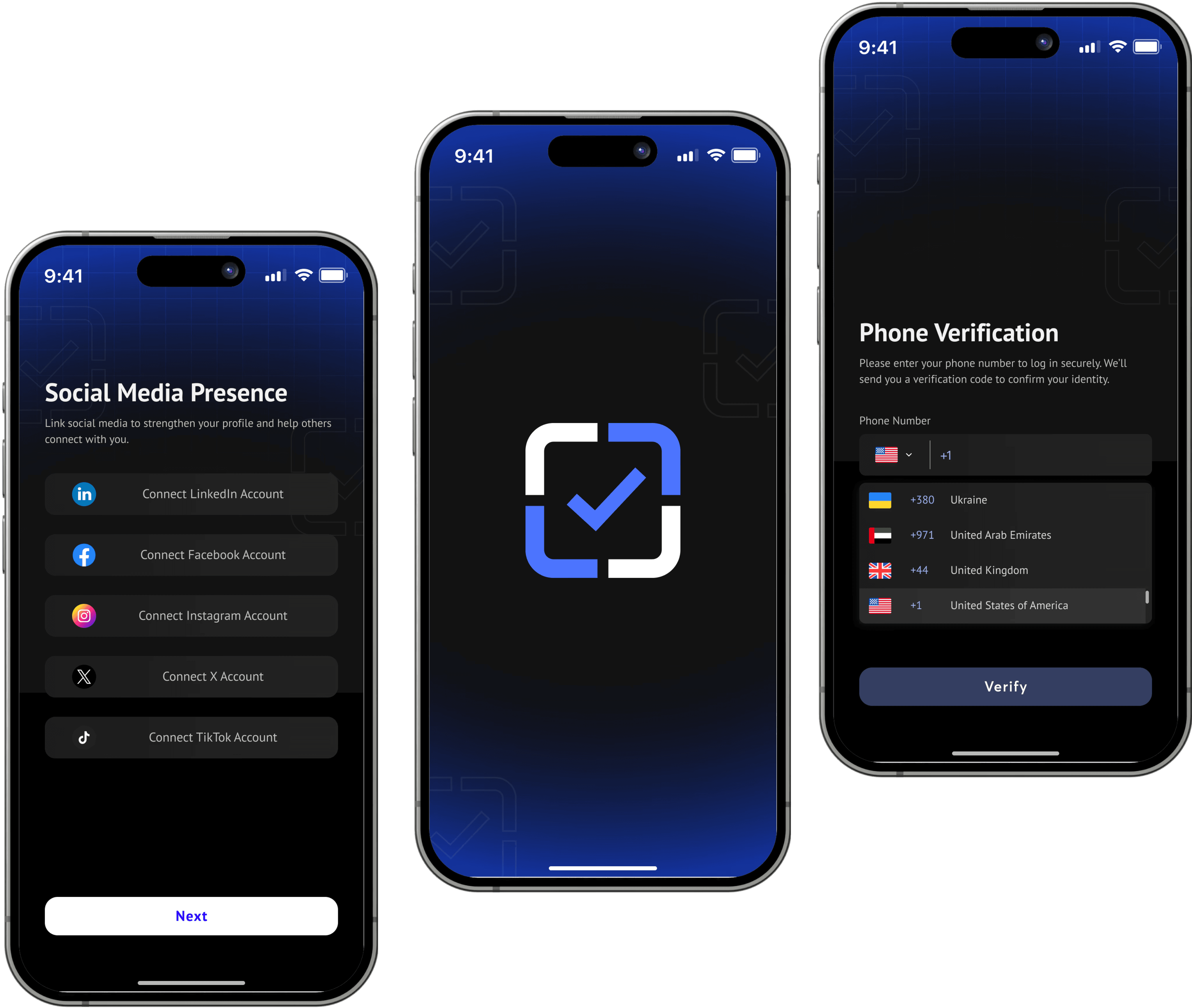
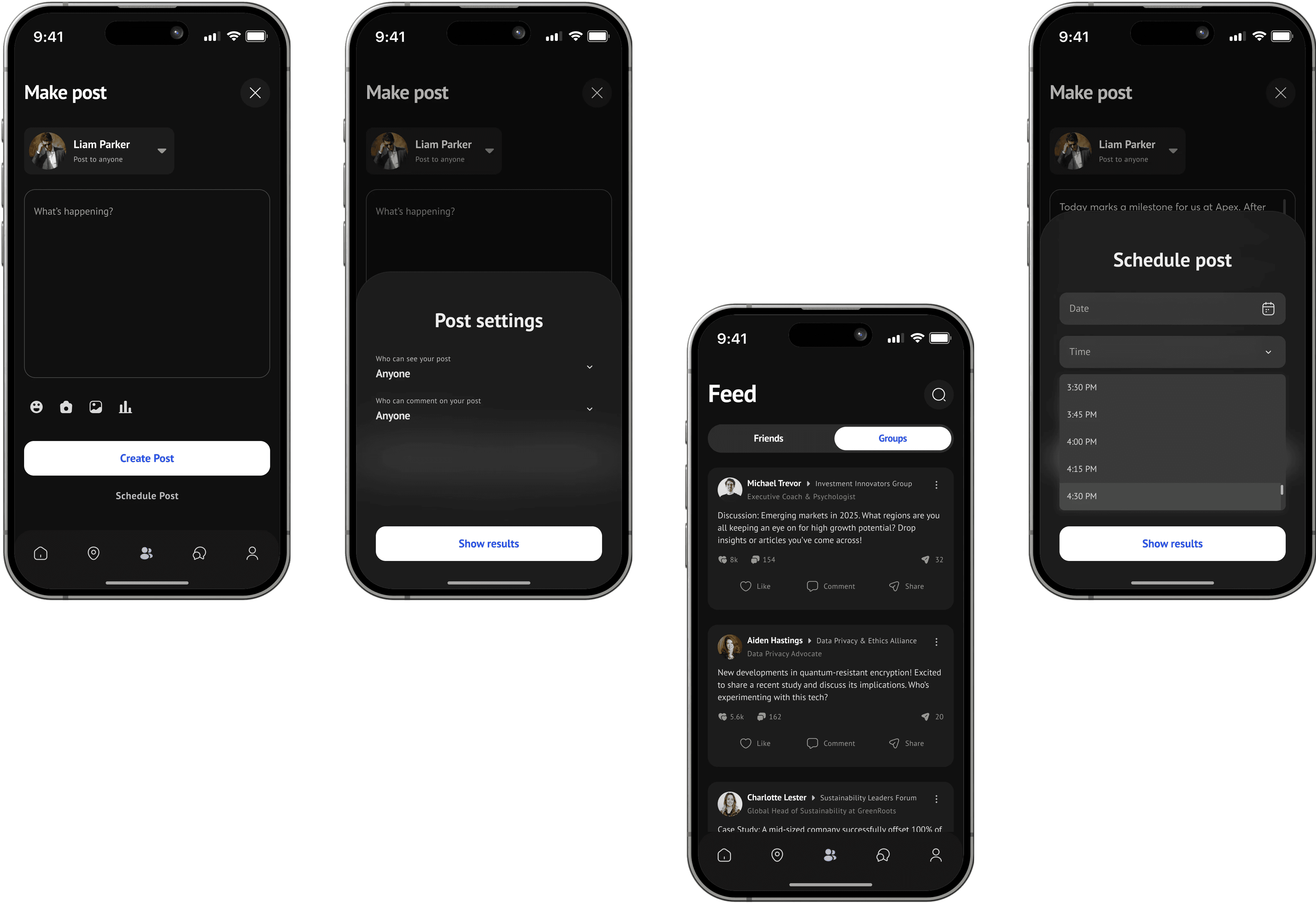
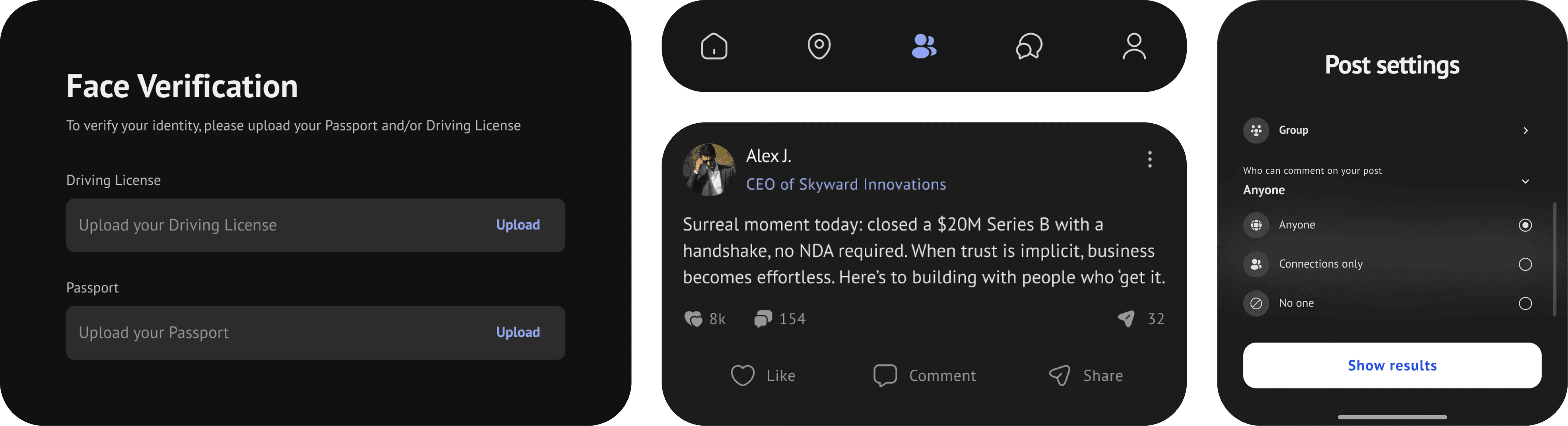
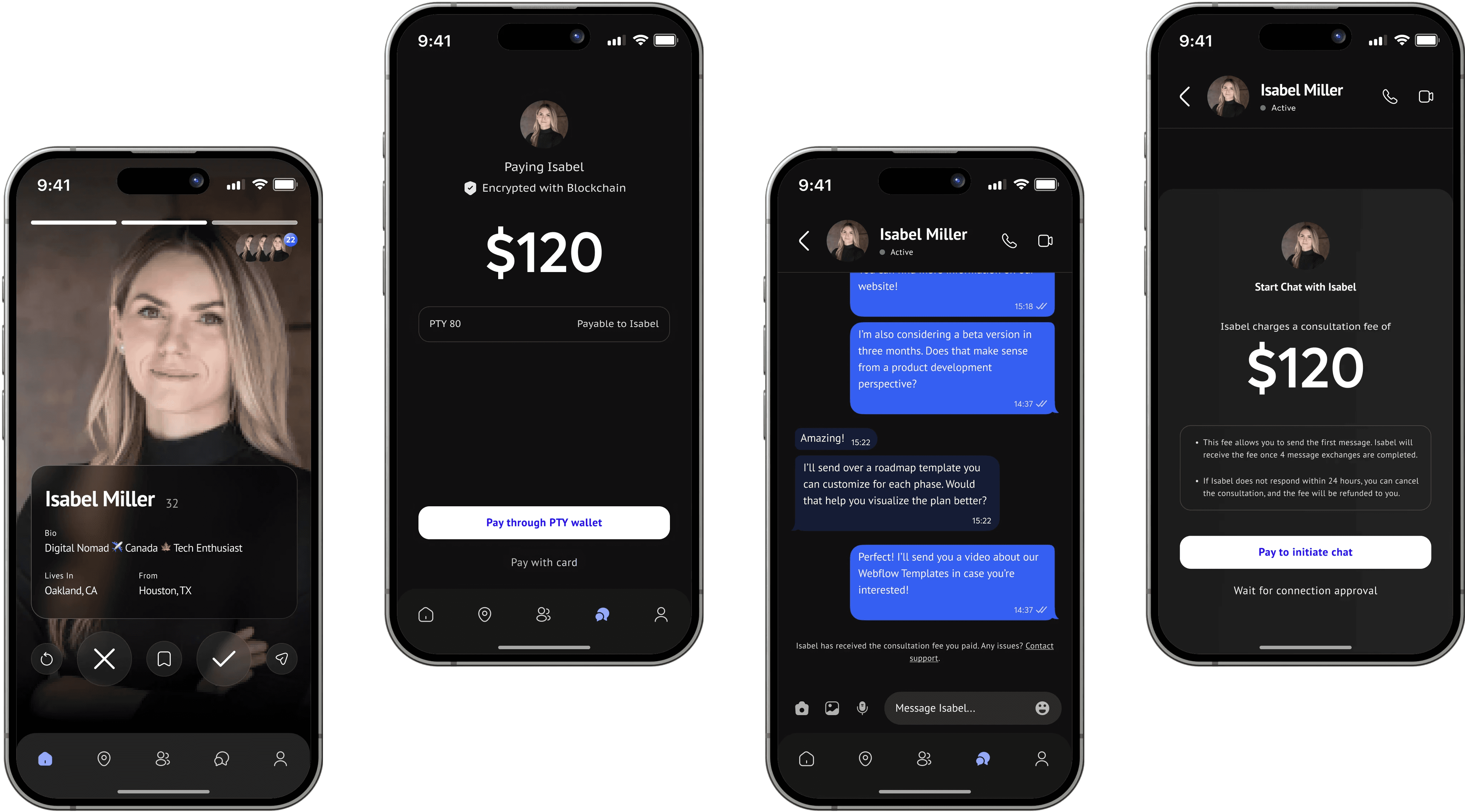
Turning Social Capital into Financial Capital: Leading the UX of a Platform That Rewards Human Capital
Pairty’s founders came to Focusoft with an ambitious premise: turn human trust into financial capital. I was brought in to lead the end-to-end UX for the MVP, responsible for shaping the behavioral framework, defining trust mechanics, and directing a two-designer team to convert a speculative economic idea into a grounded, testable product experience.
ROLE
Lead Product Designer
TEAM
1 Lead (me)
2 Junior Designers
PLATFORMS
iOS
Android
SKILLS
Product Strategy
Behavioral Systems
Trust-Centered UX
Design Leadership
Impact
0 → MVP in 3 months
282 validated user insights
Trust-first onboarding architecture
The Solution
Design a trust-first mobile platform where verified relationships generate measurable economic value, allowing people to invest in and benefit from human potential.
The Core Challenge
Translating abstract social trust into a usable, credible financial interaction model — without turning relationships into transactions or reducing people to speculation.
I set the direction, defined the system logic, and safeguarded product coherence. The junior designers extended that vision across components and refinements, allowing us to move fast without sacrificing clarity or trust integrity.
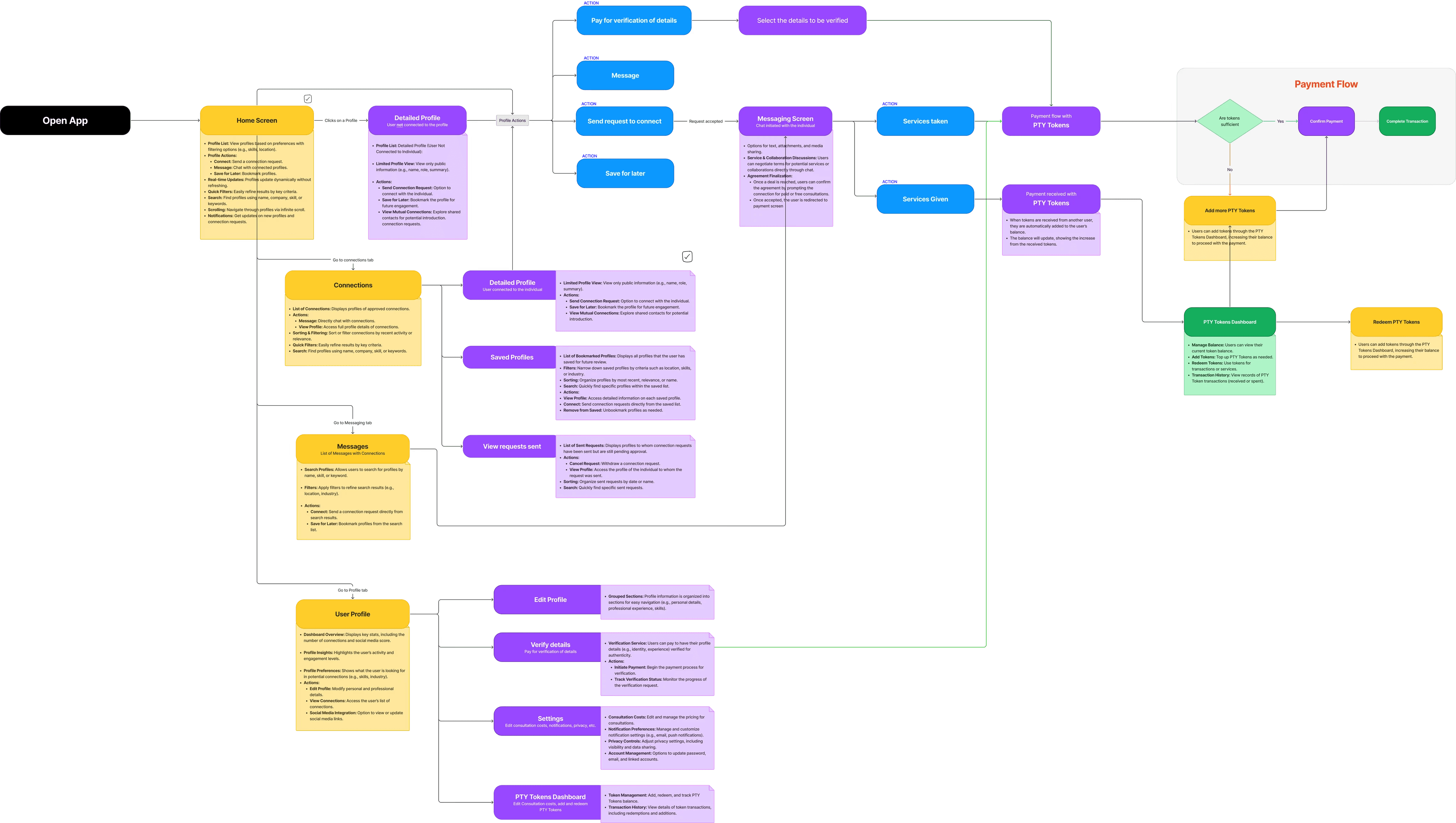
System Architecture
I mapped the end-to-end product ecosystem — from onboarding to token flows — to translate the founders’ abstract economic thesis into structured interaction logic. This helped align product, engineering, and design early, reducing ambiguity and preventing fragmented feature decisions.
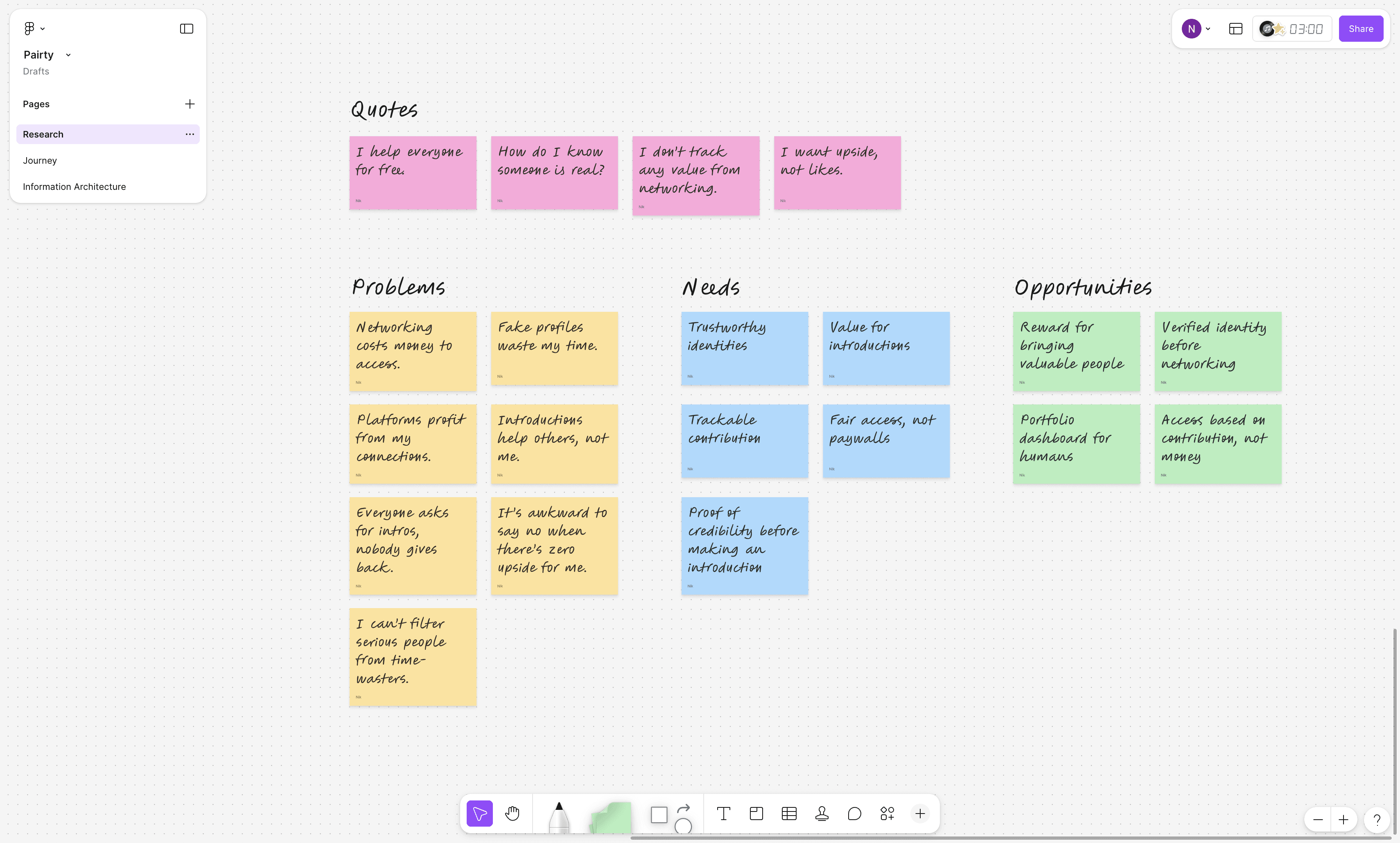
Insight Synthesis
I structured raw research into clear problem, need, and opportunity clusters to identify behavioral patterns across stakeholders. This reframed the product from “token mechanics” to “trust validation,” guiding the MVP toward fairness and credibility instead of speculation.
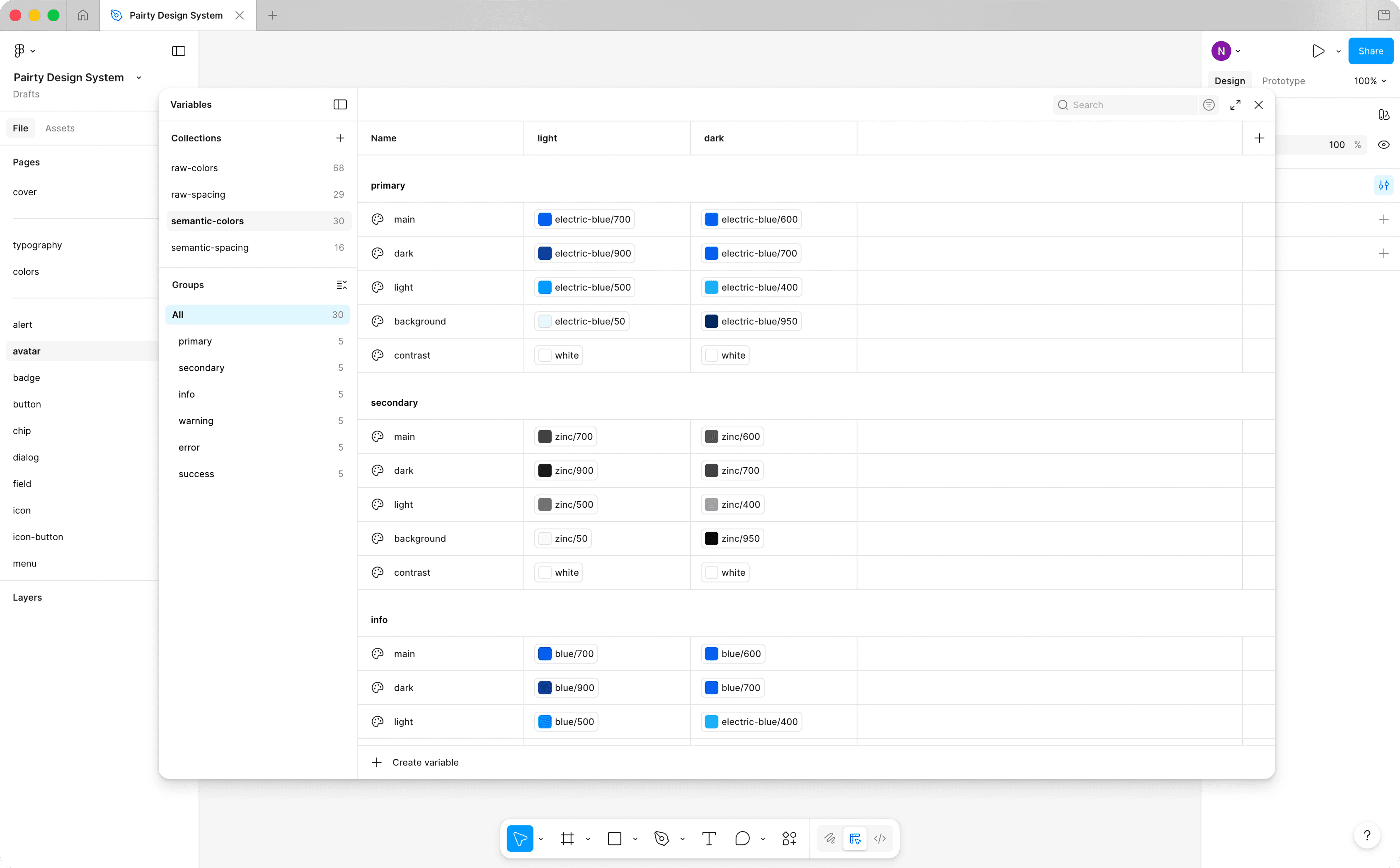
Design System Foundation
I established scalable semantic variables and component logic to ensure consistency across mobile flows while mentoring junior designers on structured UI thinking. This accelerated execution, reduced design debt, and maintained visual and behavioral coherence under rapid iteration.
With two juniors, the risk was inconsistency. I structured the team around:
Before high-fidelity screens began, I split the work strategically to prevent rework and bottlenecks. One designer focused on flow architecture — mapping journeys, states, and edge cases — while the other built the design system foundation in parallel. This ensured logic was validated and components were scalable before visual execution started.
I led both tracks through structured critiques and alignment reviews, keeping decisions anchored to trust principles and incentive clarity. Using Asana for sprint tracking and Notion for documentation, I maintained stakeholder visibility, managed expectations early, and kept collaboration tight without slowing momentum.